
 GoBeauty Bay
 Shaista Rafi
Beauty & Lifestyle Content Writer
in
Shaista Rafi writes reader-focused beauty
and lifestyle content for GoBeautyBay,
covering skincare, hair care, makeup,
personal care and everyday beauty topics.
 Mirza Ibrahim Ali Khan
Editorial Reviewer
in
Mirza Ibrahim Ali Khan contributes to
GoBeautyBay's editorial review process,
focusing on clarity, content structure,
topical relevance and reader usefulness.
What is a perfect and healthy-looking skin: Healthy glowing skin How our skin looks – genetics Every person has a unique skin. Appearance can be influenced also by our daily routines – whether the appearance and health of skin is maintained properly, day-to-day.
What can affect your skin? And How to get a healthy skin?
I believe you do not need an many products to care for skin. In cases a simple routine that focuses on cleansing, moisturizing and sun protection gives a base. Extra products can then be chosen according to skin type and specific concerns.
I hope this gude explains tips for glowing skin, such as morning and night routines, useful ingredients, diet and hydration habits, home-care ideas, lifestyle practices and recommendations for skin types.
What Does Glowing Skin Mean?
I call it glowing skin when it looks healthy hydrated, smooth and fairly even in tone. It is not a word or a specific skin condition.
- A level of hydration
- A looking texture
- Less visible dryness or flaking
- A more even-looking complexio
- A natural healthy-looking sheen
- Minimal irritation
- A well-supported skin barrie
I noticed the skin of each one of us has texture, pores, fine lines, pigmentation, and the like. Having perfect pore less or flawlessly perfect skin should not be our goal in skincare. Rather diligent maintenance can help skin look and.
15 Tips for Glowing Skin
I’ve come to know that there’s no one product or procedure that promises dewy skin. Usually a combination of habits is more helpful.
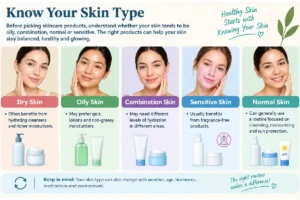
1. Know Your Skin Type
2. Cleanse
I believe cleansing washes away the natural oils, sweat, dirt, sunscreen, make-up and whatever else is on the surface of the skin. I notice abrasive cleansing can make the skin feel dry, tight and red. If you scrub at it then it will only get worse.
I suggest selecting a cleanser that suits the skin type and using motions. Avoid washing the face in a giri gidi attempt to be clean.
My suggested simple cleansing routine can be:
- Wet face with water.
- Apply a cleanser.
- Massage gently with fingertips.
- Rinse thoroughly.
- Pat skin dry of rubbin
I advise checking if skin feels persistently tight after cleansing and consider if cleanser is too drying or if cleansing is too frequent.
3. Moisturize Every Day
I find moisturizer helps support skin barrier and reduce water loss from skin.
I notice oily skin can benefit from moisturizing. Skipping moisturizer because skin produces oil may leave skin. Make it harder to keep a routine.
Choose the texture according to skin type:
- Gel for skin
- Gel-cream for oily or combination skin
- Lightweight lotion for normal or combination skin
- Cream for dry skin
- Richer cream or balm for very dry areas
I have read that ingredients often found in moisturizers include glycerin, hyaluronic acid, ceramides, squalane, panthenol and occlusive ingredients.
4. Wear Sunscreen Daily
I always say part of skincare routine is sun protection.
You don’t want to encounter the skin age, the uneven skin color and other skin damage caused by UV exposure. Sunscreen protects you.
Look for a broad-spectrum sunscreen with the SPF. Use it every time you are in daylight. Make sure you apply sunscreen to cover all exposed skin and reapply when needed especially if you stay outdoors for a time sweat or go swimming.
Sunscreen is usually the step in a morning skincare routine just before you put on makeup if you wear makeup.
Remember that sun protection is not about sunscreen. Hats, clothing, shade and staying away from sun can also help.
5. Stay Hydrated
All the above foods can help your skin but not enough fluid in the body can leave you dehydrated. Drinking plenty of fluids – such as water and fresh fruit juices – will help your body functions, including the health of your skin.
But will drinking water give you glow-y skin? In addition to this one small piece of your lifestyle puzzle.
There is no exact number of drinks; drink as much as you are thirsty and according to your needs. Fluid requirement depends on the climate, working conditions, food, etc.
Consuming several foods, for example, fruits and vegetables, also help to add to your fluid intake.
6. Eat a Balanced Diet
Eat your superhero’s With lots of fresh fruit and veg, wholegrains, nuts, seeds, legumes and good quality protein sources, your body is getting what it needs to function well.
Simply eat foods which contain Vitamin C, Vitamin E, Carotenoids, healthy fats and other nutrients.
Of relying on one “beauty food ” focus on variety in your diet.
Good options can include:
- Citrus fruits
- Berries
- Tomatoes
- Leafy vegetables
- Carrots
- Bell peppers
- Nuts and seeds
- Avocado
- Beans and lentils
- Eggs
- Fish or other suitable protein sources
Discuss your needs with a healthcare professional if you have a diet or are concerned about nutrient deficiencies.
7. Avoid Over-Exfoliating
Removes skin cells that are on the surface. Can improve the appearance of rough or dull skin.
More exfoliation is not always better.
Overuse of exfoliants can cause increased dryness, irritation, redness and damage to the skin barrier.
Exfoliating ingredients include:
Alpha hydroxy acids (AHAs)
Beta hydroxy acid (BHA)
Polyhydroxy acids (PHAs)
Other exfoliating compounds
If you use an exfoliating product, wear it slowly. Use as directed. Do not combine active products just to get results quickly.
8. Choose Skincare Ingredients
Select ingredients that are appropriate for your skin type or skin problem and not just what is popular.
For example:
Glycerin: Helps. Keep water.
Hyaluronic acid: A humectant that helps draw water into the skin.
Ceramides: Help strengthen the skin barrier.
Niacinamide: for tone & excess oil.
Vitamin C: An antioxidiant that can brighten dullness & dull uneven skin tone.
Retinoids: Used for skin renewal. May be used for acne and aging signs and symptoms.
AHAs: Help exfoliate the skin surface.
Salicylic acid – penetration enhancer for acne and congestion.
Some ingredients are not suitable for everyone. When introducing new products, do so one at a time to note your skin’s reaction.
9. Get Enough Sleep
Sleep is beneficial for your health and body functions and how they are being maintained, such as your skin.
Maybe lack of sleep does a few thing, it makes you look tired and it makes you look fresh.
Establish a sleep routine. Create Sleep Preparedness Habits.
Helpful habits may include:
- Keeping a bedtime
Limiting screen use before bed
- Keeping the bedroom comfortable
- Avoiding too much caffeine late in the day
- Allowing time for sleep
Skincare alone cannot fix chronic lack of sleep.
10.Avoid Picking at Your Skin
Picking squeezing or touching pimples repeatedly can irritate skin. Raise the risk of marks and scarring.
Of squeezing an use a suitable acne treatment or ask a professional for help if breakouts are persistent or severe.
Keeping your hands clean and reducing unnecessary face touching can also help.
11. Keep Makeup Tools Clean
Scrubbing brushes and a sponge will trap the excess makeup, dirt, dead skin cells and small bacteria.
Can I wash my makeup brushes with dish soap? Brush Cleaning Your Makeup Brushes + Sponges: Use a mild brush cleaner once a week.
Makeup and brush don’t give away unless you really have to.
Signs that it is not used anymore you alter flavor, texture and shade of the aromatized product.
12. Avoid Hot Water
Hot water makes some skin become dry and sore.
Use only water to wash your face. Avoid hot showers, if they cause dryness or sensitive skin.
In most cases, a light cleansing with a moisturizer will do more to benefit the skin than removing all of the oil.
13. Keep Your Routine Simple
A complicated routine is not automatically better.
A basic routine can include:
Morning
- cleanser if needed
- Moisturizer
- Sunscreen
Night
- Cleanser
- Treatment product if appropriate
- Moisturizer
Additional products can be added based on concerns.
A simple routine also makes it easier to identify which product may be causing irritation.
14. Introduce New Products Slowly
Trying products at the same time makes it difficult to determine what is helping or irritating your skin.
Instead:
- Introduce one product.
- Follow its recommended usage.
- Monitor your skin.
- Give the time to evaluate its effect.
- Add another product only when appropriate.
If a product causes burning, swelling, severe redness or another concerning reaction stop using it and seek medical advice.
15. Be Consistent
Consistency is more useful, than changing products.
Many skincare concerns take time to improve. Changing products every days can make it difficult to determine whether a routine is working.
Build a routine that you can follow regularly.
Morning Skincare Routine for Glowing Skin
Source: easyfrenchwell.com Image Source: myfitnesspal.com 2. A morning routine Glowing Skin should be waking up to Rule of thumb 8 exercise, 8 stretches and 8 breathes every morning to be 100% prepared for the day.
Step 1: Cleanse if Needed
Morning cleansing is helpful for some while others who have a Glowing Skin may wish to do a gentle rinse or just a small amount of cleansing.
Cleanse if you woke up to oil, sweat or other products on your face.
Step 2: Apply a Hydrating Product
Optional: a serum or essence that hydrates.
Hydrating ingredients like glycerin, hyaluronic acid and panthenol are all common.
If your moisturizer is already hydrating then you don’t need to apply one.
Step 3: Use Treatment Products
Apply vitamin C, niacinamide or other morning treatment after the protocol if you regularly use it.
Don’t add in anything just to try to make it sound more complex.
Step 4: Moisturize
Use a moisturizer made for your skin type.
Gel for skin and cream for dry.
Step 5: Apply Sunscreen
Finish your morning routine with broad-spectrum sunscreen.
Place it on liberally to expose your skin and Reapply often as necessary for the activity and exposure.
Night Skincare Routine for Glowing Skin
Evening is the time to get rid of the mess that the day makes and using solutions that will help your skin care goals.
Step 1: Remove Makeup and Sunscreen
If makeup or water resistant sunscreen is worn start with a cleansing oil, balm, micellar product or any other effective first cleanse.
Follow with a cleanser if needed.
Step 2: Cleanse
A cleanser can clear away product residue without irritating the skin
Avoid rubbing around the eyes.
Step 3: Apply Treatment
If you have a skin concern you could be using a treatment.
Common options include:
Niacinamide
Retinoids
Azelaic acid
AHAs
Salicylic acid
Hydrating serums
Remember, it doesn’t work together.
Step 4: Moisturize
End with a moisturizer to lock in comfort during sleep.
Textures may be appropriate for sensitive skin formulas for those with oily skin.
Best Ingredients for Glowing Skin
The right skincare ingredient is one that delivers on your needs.
Vitamin C
Vitamin C – An antioxidant it is used in skincare products for Glowing Skin.
It may be used as part of a morning routine prior to applying sunscreen.
Some users may find that certain vitamin C products cause skin irritation so beginners may want to introduce the product
Niacinamide
Niacinamide is a form of vitamin B3.
Salicylic acid
It has been identified by me as a hydroxy acid that is used for acne skin.
Salicylic acid works on opening up of the pore. Works great on blackheads and congested skin.
Diet and Hydration Tips for Glowing Skin
What is it? Skin care is one aspect of taking care of Glowing Skin.
Eat Fruits and Vegetables
Eat a variety of fruits and vegetables.
Consider including:
Oranges
Guava
Berries
Papaya
Tomatoes
Carrots
Spinach
Broccoli
Bell peppers
A varied diet is usually a valuable approach than all our attention is on a Skin food.
Include Healthy Fats
Good fats can be included.
Sources include:
Nuts
Seeds
Avocado
Olive oil
Fatty fish
If you are vegetarian or vegan you can obtain nutrients from plant sources including nuts and seeds.
Include Adequate Protein
Protein provides acids required for body functions.
Suitable sources can include:
Eggs
Fish
Poultry
Dairy products
Beans
Lentils
Tofu
Nuts. Seeds
Choose options appropriate, for your needs.
Limit Excessive Highly Processed Foods
Adding treats once in a while can still be healthy. This type of diet with processed foods may also be lacking in variety.
Concentrate on the pattern instead of singles foods as totally good or completely bad for Glowing Skin.
Drink Enough Fluids
Drink regularly through the day depending on your requirements.
In climates or during exercise this may be increased.
Don’t assume that drinking amounts of water will provide Glowing Skin benefits.
Home Remedies for Glowing Skin
How To Make Glowing Skin brighter?
Lots of people look for ways to make Glowing Skin brighter. I have discovered that if something is natural it does not mean it is safe and working.
Use Gentle Hydration
Then as you’re aware or just test some kitchen products Concentrate on some standard hydration.
Gentle moisturizer for skin type tends to be more predictable than mixtures. I tend to find that gentle moisturizer works better than mixtures.
Avoid Lemon Juice on the Face
Lemon Juice: It is known for its natural brightening property. The direct application of the citrus juice on the skin may cause skin irritation. Can cause photosensitivity. I avoid Lemon Juice on Glowing Skin as the lemon juice can cause skin irritation.
It is preferable to use skincare products that are created and tested to be used.
Avoid Baking Soda
It is alkaline Baking soda can disturb the environment of Glowing Skin.
The use of baking soda as a scrub and cleanser can lead to dryness and irritation.
Be Careful With Sugar Scrub
Sugar is harsh on Glowing Skin.
If your time is more toward exfoliation then a formulated facial exfoliant could be more proper, than scrubbing.
Consider Oat-Based Soothing Care
Colloidal oatmeal is found in skin care products that are intended for soothing and moisturizing the Glowing Skin.
For Glowing Skin pick a product than mixing up a home concoction without thinking about the risk of contamination or irritation.
Glowing Skin Tips for Different Skin Types
Tips for Dry Skin
Others: dry skin People with dry skin can often respond very well to a treatment plan that focuses on a moist environment and some form of barrier repair. From my experience, it is good for keeping the skin soft.
Try:
- Gentle cream or milk cleansers
- Ingredients that hydrate
- Moisturizers that contain ceramide
- Cream-based moisturizers
- Lukewarm water
- A exfoliation
- Daily sunscreen
- Frequently, do not wash excessively and clean intensely.
Tips for Oily Skin
Skin still dehydrated. I find gentle hydration very effective.
Consider:
- Foaming or gel cleansers
- Lightweight moisturizers
- Gel or water-based textures
- Non-comedogenic products when needed
- Salicylic acid for congestion if tolerated
- Daily sunscreen
- Don’t attempt to remove all evidence of oil from the skin.
Tips for Combination Skin
Combination skin may be both oily and dry simultaneously. I’ve found that a light moisturizer all over the face and a richer cream if needed is the best way to go.
T-zone oiliness does not mean that you need to apply drying products on the face.
Tips for Sensitive Skin
Sometimes skin needs a much shorter gentler routine. I have seen that a short routine reduces flare ups.
Look for:
- Fragrance- products
- Gentle cleansers
- Moisturizers
- Ingredients that support the barrier
- Sunscreen that you tolerate
Slowly introduce new items. If a product with uncomfortable ingredients keeps irritating or burning, the consumer should stop using it. Consult your physician.
Tips for Normal Skin
The skin can keep up on balance. I have noticed that a good simple routine is enough.
A simple approach includes:
- Gentle cleansing
- Moisturizing
- Sunscreen
- Optional targeted treatment
You should not need a product just because your skin does not suffer from a problem.
Frequent Mistakes of Skincare
Washing Your Face Often
Cleansing will dry your skin out and cause irritation. I have come across many clients who find that after washing with their skin feels really tight. Always cleanse your skin as and when your skin needs not because you want to get a “feeling.
Using Active Ingredients
Mixing up retinoids, acids, vitamin C, acne treatments and other actives without a plan can increase irritation. Introduce your routine gradually.
Skipping Sunscreen
Applying serums and always opting out of sun protection puts the ritual in reverse. Incorporate a sunscreen into the daytime routine.
Scrubbing the Skin
Scrubbing alone doesn’t make your skin softer. If you scrub too hard, you can cause irritation.
Picking Pimples
Pinching pimples can aggravate inflammation. Can increase the risk of scarring.
Changing Products Constantly
Trust a little time to see the effect on your skin (except if a product makes you feel the product).
Ignoring the Neck and Other Exposed Areas
Neck, Ears, Hands and other exposed areas. Use a sun protectant on these.
How to Create a Simple Lighting Routine for Skin
You don’t need 10 or 15 products. I’ve found that if you start basic, you’ll be consistent.
A beginner routine can look like this:
Morning
Cleanser Moisturizer Sunscreen
Evening
Cleanser Moisturizer
When you are doing well you can include one treatment that is specific.
For example:
Morning: Cleanser Vitamin C Moisturizer Sunscreen
Evening: Cleanser Treatment Moisturizer
The treatment should be selected based on your skin type and concern.
How Long Does Glowing Skin Take?
No time line. I’ve seen that if you are patient it’s all good. Some issues, like comfort post moisturising, can occur relatively soon. Others, like pigment, acne and texture will take longer.
Your results depend on:
- Skin type
- Skin concern
- Product formulation
- Consistency
- Frequency of use
- Sun exposure
- Lifestyle
- Individual skin biology
Watch out for creams that promise a glow in a day’s.
Tips for Glowing Skin
If you want a minimalist approach pay attention to the basics: I have discovered that quality sleep makes a difference.
- Eat a nutrient- diet.
- Drink fluids.
- Sleep regularly.
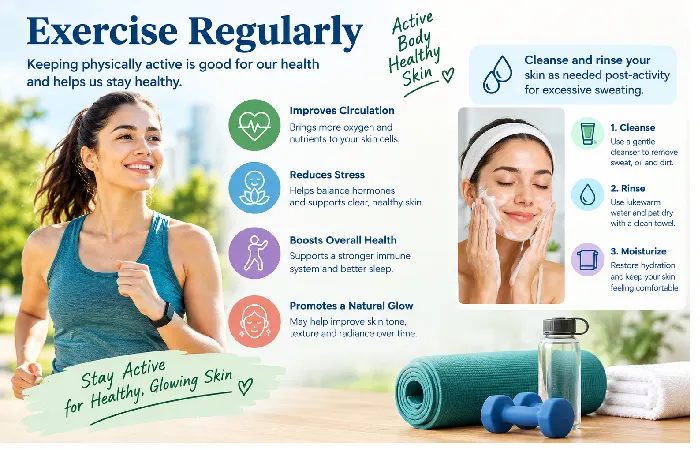
- Exercise as you can.
- Manage stress when possible.
- Avoid smoking.
- Limit unnecessary sun exposure.
- Wear sunscreen.
- Cleanse gently.
- Moisturize consistently.
- Avoid skin picking.
- Keep makeup tools
This behaviour aid well-being. Aid you maintain a healthy appearance.
Lifestyle Habits That Support Healthy-Looking Skin
Exercise Regularly
Manage Stress
It may impact some skin issues and other health issues.
Here are some helpful stress reduction strategies: Walking, exercise, relaxation techniques, hobbies, social connection and enough sleep.
Avoid Smoking
Smoki ng can be damaging to your health. Can lead to early aging of the skin.
The health advantages of steering clear of tobacco go past the well being of your skin.
Protect Your Skin From the Environment
The following factors can influence how hot your skin feels: Pollution, dry air, wind, heat and cold.
Adjust your skincare routine according to changes.
How to Choose Products for Glowing Skin
While buying skin care products, do not simply buy a product just because the product label reads glow.
Instead look at:
Your Skin Type
Select textures that are comfortable and suit your skin.
Your Main Concern
Decide whether your priority is:
- Dryness
- Dullness
- Uneven tone
- Acne
- Blackheads
- Dehydration
- Sensitivity
- Fine lines
- Texture
- Ingredients
Review ingredients list. For this goal, find items with ingredients that fit into your idea of healthy, glowing skin.
Product Tolerance
A product may contain ingredients. Still not right for your skin.
Stop using products that consistently cause irritation.
Simplicity
It’s better to have a product that you use regularly than one that gets little use.
Is it possible to achieve glowing skin without the use of high-end products?
Yes. You don’t always have to use luxury products for good skin care.
A basic routine can be built around:
- A gentle cleanser
- A suitable moisturizer
- Sunscreen
Cheap products can also include certain well-known skincare ingredients such as: The list of inexpensive products with ingredients can be found below.
The cost isn’t the only thing that determines how well a product will perform for your skin.
Tips for Radiant Skin in Hot and Humid Conditions
Humid conditions may cause some people to sweat and produce more oil.
Consider:
- Lightweight moisturizers
- Lightweight products
- sunscreen
- Gentle cleansing after heavy sweating
- Avoiding excessively heavy layers
- Keeping makeup tools clean
- Don’t skip on moisturizer just because you have oily skin.
- Protection from the sun in hot weather.
Tips for Glowing Skin in Winter
Weather and indoor heating can cause dryness.
You may need to re-arrange your time in:
- Using a cleanser that’s gentle
- Applying a moisturizer
- Reducing exfoliation
- Avoiding hot water
- Applying moisturizer after cleansing
- Protecting exposed skin from cold dry air
- See your doctor if the skin becomes really sore and inflamed or sore and very irritated.
When to See a Dermatologist
Treatments: you can cover up some issues with make-up but genuine and long-term skin problems need help from professional.
Consider seeing a dermatologist if you experience:
- Acne
- Significant redness
- Painful skin
- Persistent itching
- Recurrent rashes
- Severe dryness or cracking
- Sudden changes in pigmentation
- New or changing skin growths
- Scarring
Undesirable skin responses following discontinuation of a product
You can make a dermatologist check your skin and give treatment suitable to you.
Common Queries Regarding Glow Skin Ideas
What is the tip for glowing skin?
There’s no tip for all. An unchanging routine of cleansing, moisturizing, sun protection, enough consumption of vitamins and water and overall a healthy lifestyle offer a great base for a lovely skin.
How do I get bright glowing skin?
Basics matter: Keep simple – nourish and hydrate, rest and sleep well, shield your skin from UV exposure, cleanse and moisturize without harsh scrubbing and don’t smoke or over irritate.
How can glowing skin be achieved overnight?
You cannot plan to suddenly have glowing skin overnight. Simply cleansing the skin then applying a moisturizer will help skin seem healthier and more hydrated but improvements to the skin over the long term typically need regular maintenance.
Can oily skin glow?
Yes. Oily skin does not necessarily mean oily to look at. Step 4.
Stay hydrated.
Do not cleanse too aggressively.
Can dry skin become glowing?
Yes. A dull or flaky appearance to the skin can be a sign of dehydration. Regular cleansing, nourishing, barrier defending ingredients and sun protection can improve the skin’s look.
How often should glowing skin exfoliate?
Frequency Not specified. It is based on the exfoliating ingredient, product strength and glowing skins’s tolerance. Begin cautiously. Do not exfoliate already irritated glowing skin.
Is skincare better?
‘Natural’ is not the same as safer or more effective. Some natural ingredients can irritate skin while many synthesised ingredients have been extensively researched and can be useful. Concentrate on formulation, ingredients, skin tolerance and evidence rather than whether a product is marked as natural.
Can you use serums for glowing skin?
Serums are not necessary for luminous skin. Possibly one treatment selected for treatment only. Active ingredients can add to the risk of possible irritation.
Final Tips for Glowing Skin
Getting looking radiant skin is more than about the discovery of a ‘one size fits all’ product, it is more about making habits.
Start with the basics:
- Cleanse gently.
- Moisturize according to your skin type.
- Wear broad-spectrum sunscreen.
- Stay adequately hydrated.
- Eat a nutrient- diet.
- Get sleep.
- Avoid exfoliation.
- Introduce ingredients gradually.
- Keep makeup tools
- Avoid picking at your skin.
- Adjust your routine to changes.
- Seek advice for severe skin concerns.
Never feel the need to have ‘flawless’ looking skin without imperfections or texture – skin will always have texture, pores, fine lines, pigmentation, occasional imperfections. The aim of skincare should be to support the skin rather than remove everything.
More often than not, a simple routine of products that work with your skin type, fit into your life and one that you can stay with for a routine to get glowing skin.