
 GoBeauty Bay
  Shaista Rafi
Beauty & Lifestyle Content Writer
in
Shaista Rafi writes reader-focused beauty
and lifestyle content for GoBeautyBay,
covering skincare, hair care, makeup,
personal care and everyday beauty topics.
Shaista Rafi
Beauty & Lifestyle Content Writer
in
Shaista Rafi writes reader-focused beauty
and lifestyle content for GoBeautyBay,
covering skincare, hair care, makeup,
personal care and everyday beauty topics.
 Mirza Ibrahim Ali Khan
Editorial Reviewer
in
Mirza Ibrahim Ali Khan contributes to
GoBeautyBay's editorial review process,
focusing on clarity, content structure,
topical relevance and reader usefulness.
Mirza Ibrahim Ali Khan
Editorial Reviewer
in
Mirza Ibrahim Ali Khan contributes to
GoBeautyBay's editorial review process,
focusing on clarity, content structure,
topical relevance and reader usefulness.
Hair fall is a concern for both men and women. It is totally fine to lose some hair every day. If you lose a lot of hair it can be a problem. Hair fall can happen slowly. It can happen suddenly.
Some things can cause hair loss. These factors include stress, illness how you live your life the condition of your scalp and how you care for your hair. Hair fall is a problem that can be solved. You need to find out what is causing it. Then you can fix it.
While reducing hair fall is important, encouraging new growth is equally essential. Explore these proven home remedies for hair growth to support thicker, healthier hair naturally.
Some things can help with hair fall. These include taking care of your scalp eating a diet, managing stress being gentle with your hair and using treatments that are right for your hair.
Here are some important things to know about hair fall:
- Take care of your scalp
- Eat food that’s good for you
- Manage stress
- Be gentle with your hair
- Use treatments that are right for your hair
- Try remedies that can help your hair
- Be consistent with your hair care
This guide discusses hair fall how to treat it and how to take care of your scalp. Many people use the terms hair fall and hair loss interchangeably. They are not the thing.
- Hair fall is when your hair sheds for a while.
- Thinning of hair happens slowly, day after day. Over months, strands start to fade away.
Most people shed around fifty to a hundred strands daily. Losing beyond this range could signal something off.
Managing stress, improving sleep quality, and maintaining scalp hygiene can significantly reduce hair shedding. Follow these practical hair growth self-care tips for long-term results.
This article is part of our
Home Remedies for Hair Growth Resource
Common Causes of Hair Fall
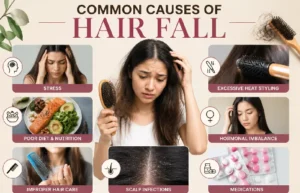
Hair fall can happen for reasons. It is very important to find the reason why you are losing hair. This is because different reasons need treatments.
1. Stress and Anxiety
Stress can make your hair shed. Stress can be physical or emotional. It can make your hair follicles rest. This makes your hair shed more. Some common things that can cause stress include:
- Not sleeping well
- Being sick
- Having surgery
- Big changes in your life
- Working
2. Not Having Nutrients
Your hair needs food to stay healthy. If you do not get nutrients your hair can become thin or weak. Some important nutrients for your hair include:
- Iron
- Protein
- Zinc
- Biotin
- Vitamin D
- Fatty acids
3. Hormonal Changes
When hormones shift, hair growth might change too. Take puberty, for instance – growth patterns often adjust. Pregnancy can also alter how thick or thin hair becomes. Menopause sometimes leads to slower regrowth. Even thyroid issues may play a role in texture shifts
- Being pregnant
- Losing hair after having a baby
- Having thyroid problems
- Going through menopause
- Having PCOS
4. Genetics
If your family has hair loss you might have it too. Some days, the part down your scalp seems wider. The crown might appear less full now. Strands feel finer, not as strong when you run fingers through.
5. Heat applied to hair
Heat might make your strands less strong when they face high temperatures. Hair exposed too often to hot tools could lose its natural resilience over time.
It can make your hair break. Some common things that can damage your hair include:
- Using a hair iron
- Blow-drying your hair
- Using curling tools
6. Tight Hairstyles
Pulling your hair tightly might hurt the roots. That pulling could lead to losing strands over time.
7. Harsh Chemicals On Hair
Chemicals applied often might leave strands less strong. Think bleach, dyes or formulas meant to smooth curls. Each round takes a toll. Over time hair loses its resilience when repeatedly subjected to these treatments.
Hair Growth Cycle
Stages guide how your hair comes in. Hair follows phases as it grows.
- Anagen Phase Hair Growing
- Catagen Phase Hair Prepares to Rest
- Telogen Phase Hair Resting
- Exogen Phase Hair Shedding
- Natural Ways to Reduce Hair Fall
Something trying might be gentle brushing each day. A different route could involve switching to a silk pillowcase at night. Maybe oils like coconut work for certain people. Another option is to avoid hairstyles often. Some find that cold water rinses make hair feel stronger. Try spacing out heat styling sessions if possible.
Many people use kitchen and herbal ingredients to strengthen their hair and minimize shedding. Learn about the most effective natural remedies for hair growth that may help improve scalp health.
1. Rosemary Oil
Some folks say rosemary oil pushes hair to grow. A calmer scalp might show up too.
2. Coconut Oil
Warmth spreads through hair once coconut oil works its way inside. With each drop soaking deep, jagged edges soften into calm.
3. Aloe Vera
Some people notice their scalp gets quieter after using aloe vera. The moment it touches skin, redness sometimes fades right away.
Not every remedy works equally well for every hair type. Use our guide to compare hair growth remedies and find the most suitable option for your needs.
Best oils for growing hair
Oils that help hair grow
- Rosemary Oil Helps Keep Scalp Healthy
- Moisture stays locked in strands when coconut oil is used. Hair holds onto hydration more effectively because of its presence.
- Castor Oil Makes Hair Softer
- Argan oil reduces frizz.
- Peppermint Oil Calms Scalp Irritation
Healthy Hair Begins with These Foods
What grows on your fork starts showing up in your hair. No spells here – just food giving strength to follicles every single day.
- Protein Foods Eggs Fish Yogurt Beans Lentils Chicken
- Besides spinach, lentils can step in for iron. This nutrient shows up in red meat just as well. Tofu fits the picture too. When hunger strikes, pumpkin seeds bring support without slowing you down.
- Omega 3 Sources Include Salmon Walnuts Flaxseeds Chia Seeds
- Vitamins That Support Hair Growth
- Some vitamins for hair growth include:
- Protein supports hair growth.
- Iron delivers oxygen to hair.
- Zinc Supports Scalp Health
- Biotin Supports Hair Growth
- Vitamin D Supports Hair Follicle Health
- Omega-3 Supports Scalp Hydration
Scalp Care Tips for Hair Fall Control
Taking care of your scalp is very important for your hair
* Keep your scalp clean
* Do not scrub your scalp
* Massage your scalp regularly
* Do not use products that’re not good for your hair
Choosing the right products can complement your hair fall prevention routine. Read our detailed hair growth product reviews before investing in serums, shampoos, or supplements.
Medical Hair Loss Treatments
Some hair loss needs to be treated by a doctor.
- Minoxidil: Helps your hair grow
- PRP Therapy: Helps your scalp
- Hair Transplant Procedures: Helps with baldness
Hair Fall Solutions for Women
Women can lose hair because of changes, such as having a baby, stress not having nutrients or PCOS. Some helpful things for women include:
- Eating food that’s good for you
- Managing stress
- Taking care of your scalp
- Being gentle with your hair
- Sleeping well
Daily habits such as diet, exercise, hydration, and stress management can influence hair health. Discover the best lifestyle changes for healthy hair that support stronger growth.
Hair Loss Solutions for Men
Men can lose hair as they get older. Some common signs of hair loss in men include a receding hairline or a thinning top. Some helpful things for men include:
- Taking care of your scalp early
- Eating food that’s good for you
- Not using too much heat on your hair
- Getting help if you need it
Hair Care Habits That Support Healthier Hair
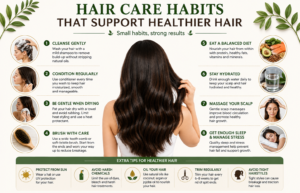
Some hair care habits include:
- Not using heat on your hair
- Using hair products that’re right for your hair
- Not styling your hair tightly
- Sleeping well
- Drinking water
- Managing stress
If hair fall persists despite lifestyle changes and home care, consider exploring proven hair growth treatments that target thinning hair and support follicle health.
Common Hair Fall Mistakes
Some mistakes that can cause hair fall include:
- Washing your hair a lot
- Not eating food
- Using too many products
- Expecting results quickly
- Brushing your hair a lot
Best Hair Care Routine for Hair Fall
A good hair care routine for hair fall includes:
- In the morning: brushing your hair using a serum to protect your hair from the sun
- At night: massaging your scalp using hair oil sleeping on a silk pillowcase
Signs Your Hair Is Becoming Healthier
Strong hair starts with a healthy foundation. Our comprehensive hair wellness guide explains how nutrition and daily habits affect hair growth.
Some signs that your hair is becoming Healthier include:
- You are losing less hair
- Your hair is breaking less
- Your hair is looking good
Final Thoughts
Genes play a role in how often hair falls out. What lands on your plate matters just as much. Stress can push the process along. Hormones shift behind the scenes, pulling strings. The condition of scalp skin holds quiet influence. Daily routines shape results without fanfare. A steady approach. Feeding roots well calming tension keeping surface builds stronger growth down the line. Trying something? Pick methods that fit smoothly into days match your texture. Stay manageable week, after week. Stick with choices enough to see real change unfold slowly. Days treating your hair with care makes a difference. When you stay steady over time results show up quietly. Soft handling keeps strands stronger than you might think. What works usually comes down to paying attention. Your scalp talks if you listen enough. Picking steps based on what your hair needs simplifies everything. Doing often means more growing.