
 GoBeauty Bay
  Shaista Rafi
Beauty & Lifestyle Content Writer
in
Shaista Rafi writes reader-focused beauty
and lifestyle content for GoBeautyBay,
covering skincare, hair care, makeup,
personal care and everyday beauty topics.
Shaista Rafi
Beauty & Lifestyle Content Writer
in
Shaista Rafi writes reader-focused beauty
and lifestyle content for GoBeautyBay,
covering skincare, hair care, makeup,
personal care and everyday beauty topics.
 Mirza Ibrahim Ali Khan
Editorial Reviewer
in
Mirza Ibrahim Ali Khan contributes to
GoBeautyBay's editorial review process,
focusing on clarity, content structure,
topical relevance and reader usefulness.
Mirza Ibrahim Ali Khan
Editorial Reviewer
in
Mirza Ibrahim Ali Khan contributes to
GoBeautyBay's editorial review process,
focusing on clarity, content structure,
topical relevance and reader usefulness.
What most folks hope for? Strong, growing hair. Diet plays a role – so does scalp condition, daily tension levels, and routines used on strands. Quick fixes do not exist for sudden speed or fullness. Instead, gradual improvement comes through consistent, gentle methods drawn from nature.
Most folks go for natural helpers when it comes to growing hair. Easy on the scalp, these options tend to stay kind without harsh effects. Not heavy on the wallet either. What stands out is how they skip artificial mixes or quick fixes that fade fast. Oil shows up often – some reach for aloe vera, others grab coconut oil. Onion juice makes an appearance, along with castor oil and even leftover rice water. Each one brings something quiet but steady, aiming to build shine and strength over time.
Hair usually grows a bit every month. It grows about half an inch. So it is crucial to be patient and keep caring for our hair all the time.
This article is part of our
Home Remedies for Hair Growth Resource
Understanding How Our Hair Grows
Our hair growth in cycles. It has stages.
- The first stage is when our hair is growing. This is called the anagen phase. Our hair grows from the root during this phase.
- The second stage is when our hair is getting ready to rest. This is called the catagen phase.
- The third stage is when our hair is resting. This is called the telogen phase.
- The last stage is when our hair is falling out. This is called the exogen phase.
Things that can stop our hair from growing include:
- Not eating enough
- Using heat on our hair too much
- Wearing our hair in styles
- Having hormonal problems
- Being stressed
- Having an inflamed scalp
- Using hair products
- Not sleeping enough
- Using chemicals on our hair too much
Some natural remedies can be enhanced with high-quality hair care products. Check out our hair growth product reviews before choosing your next shampoo, serum, or oil.
Best Natural Oils for Stronger, Healthier Hair
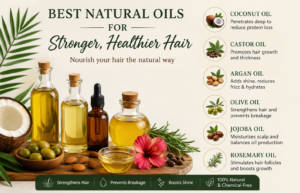
Shine that looks good usually stems from oils found in nature. These get praised because they fit well into how people take care of their hair. Because of how they nurture the scalp, these oils lend strength – moisture sticks around longer too. A glossy finish shows up when strands get consistent support, nothing forced.
While natural ingredients can support healthier hair, it’s important to combine them with proven techniques and consistent care. Explore our complete guide on home remedies for hair growth for additional strategies and expert recommendations.
Rosemary oil
Some people find rosemary oil supports thicker hair. Blood circulation in the skin may improve when using it. A carrier oil, like coconut, works well when mixed into the blend before application. The mixture is applied directly to the head’s surface.
Coconut oil
Most folks find that coconut oil helps when hair feels rough or acts up. When strands need repair, it steps in quietly. Protein stays put because of how it works at its core. Softness shows up after a few uses – simple as that.
Castor oil
Thick stuff, castor oil. Packed with useful bits inside. When it touches your scalp, moisture follows. Strength shows up in strands after using it.
Moroccanoil
From deep within Morocco comes a golden liquid full of natural protectors and skin-friendly nutrients. Hair exposed to wind or heat tends to remain calm when touched. Softness shows up more often, almost without trying. This oil brings quiet strength to strands that look tired.
Peppermint oil
That cooling sensation on your scalp? Peppermint oil brings that. Blood circulation gets a nudge when you apply it right. Always blend it with a carrier oil first thing. Without mixing, it’s too strong for the skin.
Other natural things that can help our hair include:
- Aloe vera is good for our scalp. It can help our scalp not feel irritated. Moisture might show up on your scalp because of it.
- Some people drink onion juice since it holds stuff good for growing hair. It can help our scalp feel healthy.
- Rice water has been used for a time to help hair grow. It can make our hair feel smooth.
Food That Helps Hair Growth
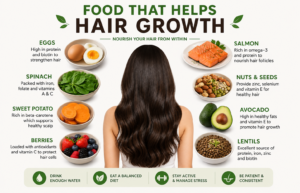
Inside each strand, growth begins deep within. Eating right supports strong strands over time. Poor choices at meals show up in brittle lengths later. Thin spots appear when nutrition slips.
Healthy hair starts from within. Learn how nutrition, hydration, and scalp maintenance contribute to overall hair wellness and healthy growth.
Most of your hair’s structure is made of protein. That’s why it matters what you eat. Eggs offer solid support, while fish provide useful nutrients. Chicken fits into meals easily, plus beans add plant power. Lentils step in with fiber alongside their protein punch. Yogurt rounds things out, cool and steady every time.
Picture this: iron keeps hair steady, much like it strengthens bones. When levels dip too low, hair may fall out more than normal. Leafy vegetables help – spinach leads that group. Red meat offers solid support from animal sources. For those skipping animal foods, lentils are a good alternative. Pumpkin seeds surprise you with how many minerals they offer. What tofu brings shows up right where your body needs it, sliding into dishes without effort.
Now and then, someone realizes their scalp perks up after eating particular things. Into that mix swims salmon, smooth and ready. Meals built for skin love walnuts – they show up again and again. Flaxseeds bring quiet power without asking much. A bowl or shake gets chia, working low and steady.
What Helps Hair Grow
Protein kicks off what your body craves for hair growth. Iron follows close behind, doing its part just as quietly. Zinc steps in next, working without fanfare. Biotin shows up early in the process, not waiting to be invited. Vitamin D arrives through sunlight, slipping into the mix each day. Omega-3 fatty acids round it out, moving steadily from food into function.
Caring for the Scalp
Most folks overlook what’s under their hair. Yet that skin matters just as much as the strands above it.
Every day, try rubbing your scalp. It brings more circulation there, leaving it calm. Starting small motions with fingertips makes a difference without effort. Over time, that routine builds comfort right where you need it.
A healthy scalp starts with cleanliness. Without regular care, irritation might appear.
Start with a mild shampoo so it won’t wash away natural moisture. Hair maintains its balance when cleansed gently rather than harshly. Some formulas treat strands gently while still cleaning well. A product that respects oil levels works better over time. Choose one without strong detergents for daily care. The scalp responds well to simpler ingredients used regularly.
Natural Ways to Improve Dry and Damaged Hair
When hair feels rough, snapping happens fast. Unkempt appearance follows.
- We can use a banana mask to help our hair. Bananas have oils and vitamins that can help our hair.
- We can use a honey mask to help our hair. Honey can help our hair retain moisture.
- We can use a yogurt mask to help our hair. Yogurt has protein and fat that can help our hair.
Each morning brings a chance to try something new for stronger strands. Hair thrives when cared for over time. A small change here, consistency there – results often follow. What works today might shift tomorrow; paying attention helps. Growth shows up where routine meets patience.
Water keeps things working inside. Without enough, the skin on the head tightens, and strands turn rough.
Most nights, a good rest makes everything feel lighter. Hair might slip away when care slips through the cracks.
Most days feel heavy. Yet pressure might show up on your scalp rather than in your mind. A full head of hair often thins when lifestyle gets too loud.
Simple Natural Choices for Every Hair Type
Hair types need things to help them.
Not all natural remedies work the same way. Our hair growth remedy comparison guide helps you evaluate the
Coconut oil works well when hair feels parched, and aloe vera steps in right after. Sometimes it’s the quiet mix that soothes strands best. What shows up late often matters most – here, both linger just long enough.
Greasy strands? Try rinsing with green tea instead of skipping care. Oil shows up fast – this mix slows it down without harsh steps.
- Curly hair needs shea butter—Argan oil.
- Damaged hair needs castor oil and a banana mask.
- Thin hair needs scalp massage and rosemary oil.
Mistakes That People Make When They Are Trying to Help Their Hair Grow
There are mistakes people make when trying to help their hair grow.
- Washing our hair too much can strip it of its oils.
- Using heat on our hair too much can make our hair dry and break.
- Not eating well can make our hair weak. Fall out.
Overnight changes in hair length? Not going to happen. Growth needs weeks, sometimes months, before it shows.
Easy Everyday Natural Hair Care
Healthy hair begins with daily attention. Every single day counts when it comes to upkeep. Care shown now pays off in strength later. Without routine effort, strands often lose their vitality.
Results often improve when natural remedies are paired with healthy daily habits. Follow these hair growth self-care tips to support long-term hair health.
In the morning, we should:
Start slow when moving the brush through strands – tug too hard and split ends show up fast. A light hand keeps things smooth without snapping delicate pieces near the scalp.
Healthy hair might come from using a serum. Oil works too, sometimes better. Each person finds what fits their strands. Some pick one, others switch between both.
Exposure to sunlight for too long might harm it. That’s why it needs shielding now and then.
At night:
We should massage our scalp to help our hair grow.
Oil on hair helps maintain its condition. Sometimes strands feel better when treated this way. A little goes a long way in supporting strength. Moisture stays locked in through regular use. Healthy texture often follows consistent care.
Few notice how gently silk treats strands at night. Hair slips smoothly, rather than snagging as it does on cotton. This soft fabric supports length by reducing daily stress. Breakage fades when friction fades, too. Night after night, less tugging adds up.
Healthier Hair Signs
Healthy strands start to show when attention follows through. A strand here, a bit more shine there – proof builds slowly. Changes appear without announcement. Subtle shifts mark the difference day by day. Care takes root before eyes catch up. Our hair will. Feel better if we take care of it.
- Our hair will not break often.
- It will feel smooth when we touch it.
- It will look shiny and healthy.
- It will feel soft when we touch it.
- It will not be dry anymore.
- Our scalp will be healthy. Feel good.
Frequently Asked Questions
Do things really help our hair grow?
Folks often find that plants give strands a boost. A happy scalp tends to follow when roots get the care they need. Stronger locks usually show up after consistent routines. Shine sneaks in once dullness fades away.
What kind of oil works well for hair?
Oil works well for hair. Castor oil brings strength when used regularly. Argan oil adds softness and shine. Peppermint oil wakes up the scalp with its cool touch. Each of these helps keep strands healthy in quiet ways.
What decides how fast hair grows?
Slowly, our hair begins to grow. After weeks of attention, small changes appear – maybe softer strands, less breakage. Patience becomes necessary, even when progress feels invisible.
Can stress cause hair loss?
True, too much tension might lead to thinner hair. That’s one reason staying calm matters.
Many people turn to natural treatments after noticing excessive shedding. If hair loss is your primary concern, read our guide on effective home remedies for hair fall to address common causes naturally.
Is rice water good for our hair?
Rice water might just be what your hair needs to feel sleeker, somehow softer too. A little shine creeps in after using it now and then. Tangles seem less stubborn, like they give up faster than before.
Could rubbing your scalp help your hair grow faster? Maybe so.
Most folks notice their hair looks better when they rub their scalp. This kind of touch brings ease and wakes up the skin underneath. A gentle push here, a slow circle there – simple moves that do more than rest. Blood flows more easily where fingers press softly. Each stroke clears tension like wind clearing clouds. Hair roots sit in soil made loose by motion. Movement feeds them quiet strength. The head likes rhythm, almost hums with it. Growth follows where calm lives.
Final Thoughts
Natural things can help our hair grow. They can help our scalp feel healthy and make our hair stronger. We should eat well and take care of our scalp. Avoid using chemicals on our hair. We should be patient. Take care of our hair every day. If we do these things, we can have hair.
Oil might soothe the scalp, while aloe vera brings calmness. Coconut oil slips in deep, feeding strands from within. Castor oil lingers at the roots, providing slow, steady strength. Onion juice stings lightly but wakes up dormant areas. Rice water rinses through, leaving subtle resilience behind.
Natural oils and herbs may improve scalp health, but some individuals may also benefit from targeted hair growth treatments and solutions designed to stimulate stronger hair growth.
Hair grows better when life feels balanced. Most days, keeping cool keeps things steady. What you eat counts, yet hydration pulls equal weight. Nighttime downtime? It quietly shapes how hair holds up. Too much heat adds up – better to step back now and then. Gentle handling stretches time before the next trim. Doing all this adds up without needing extras.
Start by building a habit. Patience matters here. When the scalp gets attention, hair often follows. Daily effort makes the difference. Care adds up when done regularly.