
 GoBeauty Bay
  Shaista Rafi
Beauty & Lifestyle Content Writer
in
Shaista Rafi writes reader-focused beauty
and lifestyle content for GoBeautyBay,
covering skincare, hair care, makeup,
personal care and everyday beauty topics.
Shaista Rafi
Beauty & Lifestyle Content Writer
in
Shaista Rafi writes reader-focused beauty
and lifestyle content for GoBeautyBay,
covering skincare, hair care, makeup,
personal care and everyday beauty topics.
 Mirza Ibrahim Ali Khan
Editorial Reviewer
in
Mirza Ibrahim Ali Khan contributes to
GoBeautyBay's editorial review process,
focusing on clarity, content structure,
topical relevance and reader usefulness.
Mirza Ibrahim Ali Khan
Editorial Reviewer
in
Mirza Ibrahim Ali Khan contributes to
GoBeautyBay's editorial review process,
focusing on clarity, content structure,
topical relevance and reader usefulness.
Most times, good hair signals a body running right. Folks spend energy picking shampoos or booking stylist chairs – yet real strength grows beneath the surface. Inside matters most when it comes to strands staying strong. Meals packed with what the body needs give roots and skin on top a better chance. Slowly, awareness has shifted: plates now seen as part of hair care routines.
Nowadays, many spot their locks thinning, breaking easily, turning coarse. Stress weighs heavy on roots; pollution adds strain too. What fills your plate shapes how well hair holds up – nutrient-rich foods step into that role quietly. Strength often begins where forks do.
This article is part of our
Home Remedies for Hair Growth Resource
How What You Eat Affects Your Hair
Tiny parts deep in your skin help grow hair. Because they’re alive, they ask for fuel every day. Without enough good food, they struggle to keep up. Hair might stop moving forward at its usual pace. It could feel thin, snap easily, lose softness.
Most specialists believe what you consume matters just as much as your shampoo. Good food boosts circulation right to the top of your head. Stronger follicles often follow when nourishment kicks in.
Split ends show up when hair lacks proper nourishment. Often, a dry scalp points to missing vitamins inside. Brittle strands snap easily if key nutrients are low. Dull color might mean your diet misses important pieces. Thin patches appear where hair gets weak from poor fuel. Slow growth can hide deeper shortages underneath
- Hair thinning
- Dry scalp
- Slow hair growth
- Split ends
- Hair breakage
- Excessive hair fall
With better food choices, plus daily attention to health, hair could grow stronger after weeks go by. Starting small makes a difference down the road.
Combining wellness habits with targeted hair growth treatments at home can help create an environment that encourages healthier hair growth.
Best Foods That Help Hair Grow
From time to time, picking certain eats shifts how thick or strong hair feels. When meals pack a punch in vitamins, they feed the roots right where growth begins.
Eggs
When it comes to hair, eggs bring something solid – protein steps in to build keratin, the stuff every strand depends on. Hair gets tougher because biotin pitches in too, working behind the scenes. What holds it together? A simple food doing double duty without any fuss.
Spinach
Bursting with iron along with vitamins A and C, spinach steps into the scene quietly. Blood moves better toward hair roots when this leafy green joins meals regularly. Health of the scalp finds support through its presence on plates now and then.
Salmon
Healthy skin on your head? That comes easier when you eat salmon. Its natural oils work quietly to fight flakiness. Shine shows up more when those fats become part of how you eat. Soft strands tend to follow. Experts often point to these nutrients when talking about better hair. Little by little, texture improves.
Nuts and Seeds
Bursting with vitamin E, zinc, and good fats, almonds along with walnuts and sunflower seeds support stronger strands. When the scalp gets steady fuel from these foods, split ends happen less often.
Sweet Potatoes
One thing about sweet potatoes – they pack plenty of beta-carotene. Our system turns that compound into vitamin A. That nutrient plays a role in maintaining scalp condition. Hair issues tend to stay away when levels are steady.
Not all remedies and products deliver the same results. Our hair growth comparison guide can help you evaluate different options.
Protein and Hair Health
Protein is really important for our hair because it is what our hair is made of. Without protein our hair can become weak, dull and prone to shedding.
People who don’t eat protein often experience hair fall. Adding protein- foods to our diet can help support stronger hair growth and improve the overall quality of our hair.
Building healthy hair starts with understanding proven home remedies for hair growth that support stronger strands and a healthier scalp.
Best Protein Sources for Hair
| Food | Hair Benefits |
|---|---|
| Eggs | Supports keratin production |
| Chicken | Helps strengthen hair strands |
| Lentils | Plant-based protein source |
| Greek yogurt | Supports scalp nourishment |
| Fish | Provides protein and omega-3 |
Over time, protein works to fix broken strands, giving hair a fuller appearance. When damage occurs, it steps in quietly, rebuilding what was lost.
Vitamins That Support Hair Growth
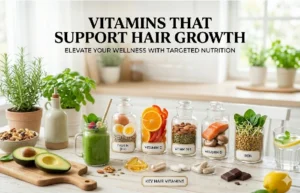
Healthy hair needs certain nutrients because they support the tiny roots under the skin. Without enough of them, strands might thin or shed more than usual. These nutrients feed the skin on your head so it stays balanced. A steady intake helps prevent brittleness over time. Missing pieces in your diet could show up in how your hair feels and looks. Good hair wellness begins with consistent habits. Discover practical self-care tips for healthier hair that support both scalp and hair health.
Vitamin A
Most people overlook how vitamin A affects scalp oils. Carrots, spinach, or even pumpkin bring that nutrient into meals. Hair often looks better when those items show up on plates. Without enough of it, strands might slow down their growth. This one vitamin – among others – shapes how fast hair extends.
Vitamin C
Some folks say vitamin C fights harm inside cells. This nutrient makes it easier for your system to take in iron. Hair roots might stay safer when this substance is around.
Some good sources of vitamin C are:
- Oranges
- Strawberries
- Kiwi
- Lemons
- Bell peppers
Vitamin D
Out in the sun a little each day might make a difference. Hair sometimes grows better when the body has enough vitamin D. Sunlight helps. So does eating mushrooms, eggs, or fortified cereals now and then. Thin strands could be quieter that way.
Vitamin E
It turns out a few folks see their circulation improve once they get sufficient vitamin E.
Moisture stays balanced on the scalp because of this nutrient.
Over time, softness or strength in hair may come from eating foods full of vitamin E. Slow changes might show up when meals include more of this nutrient. Foods packed with vitamin E could gently influence how hair feels later on. With regular intake, a shift toward better texture sometimes happens. The effect builds quietly through consistent food choices.
Biotin Benefits for Hair
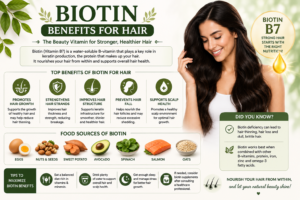
Biotin does its job inside the body by helping make keratin, which strengthens hair. Many choose pills to add more into their day. Yet meals often offer a smarter way to absorb it. From eggs to nuts, eating well covers what extra doses might miss.
Thinning hair sometimes shows up when biotin runs low. Brittle texture or sluggish growth? Those too can tag along. Over weeks, better biotin support may toughen each strand. Less snapping happens gradually, given enough consistency.
Foods Rich in Biotin
- Eggs
- Almonds
- Bananas
- Salmon
- Whole grains
Iron Deficiency and Hair Loss
Follicles need oxygen, iron delivers it, when levels drop hair suffers. Weak strands break easily, shedding follows. Women often notice thinning, low iron might be why. Oxygen flow slows without enough of this mineral, growth stalls. Hair falls out more than usual, strength fades.
Symptoms of Low Iron
- Excessive hair fall
- Fatigue
- Weak hair strands
- Reduced hair volume
Iron-Rich Foods for Hair
| Food | Iron Benefits |
| Spinach | Supports oxygen circulation |
| Lentils | Plant-based iron source |
| Red meat | Highly absorbable iron |
| Tofu | Helpful for vegetarians |
| Pumpkin seeds | Supports scalp health |
Eating iron-rich foods with vitamin C can help our body absorb the iron more effectively.
Hydration and Healthy Hair
Every sip counts when it comes to healthy hair. Because hydration moves essential nourishment straight to the roots, moisture sticks around longer on a wet scalp.
Water keeps strands strong when intake drops, they weaken fast. Hydration flows through roots after every glass filled slowly. Juicy fruits pass moisture along while meals unfold quietly. Without enough liquid, texture changes without warning. Each sip counts more than most assume by midday.
If you’re considering products to complement your wellness routine, browse our hair growth product reviews for expert insights and recommendations.
Lifestyle Tips for Better Hair Wellness
Other than meals, a few habits help keep hair strong. While food matters, actions count too when it comes to strands. Not just what goes on plates – routine choices play their part. Outside of dining, small steps make differences over time. Eating is one piece; behavior shapes results as well. Maintaining scalp health may also help reduce excessive shedding. Explore these effective home remedies for hair fall for additional support.
Manage Stress
Out of nowhere, stress shows up and takes strands along with it. When calm finds its way – through breath work or slow movement – the scalp often keeps hold of more hair.
Get Enough Sleep
Lying still each night does more than rest your mind. When you drift off regularly, strands on your head get a quiet boost. Deep rest feeds roots in ways few notice at first. Night after night of calm darkness builds thickness slowly. Hair changes when the body finally slows down.
Avoid Heat Styling
Too much heat from styling tools harms hair, leaving it less strong with regular use.
Many people improve hair wellness by incorporating natural remedies for hair growth such as aloe vera, coconut oil, and rosemary-based treatments.
Eat a mix of foods
Plenty of good things come from what you eat – hair often feels stronger when meals carry protein alongside certain nutrients. Vitamins join forces with minerals, doing their part behind the scenes. Healthy fats step in, working quietly through daily routines. Antioxidants tag along too, adding subtle protection where needed.
Conclusion
From time to time, what we eat shows up in how our hair looks. Protein fills gaps where strands need strength. Vitamins step in when shine fades. Iron carries energy through roots like quiet messengers. Healthy fats wrap each follicle in soft protection. Growth follows – not fast, but steady – when meals include these pieces.
Strong strands often start on the plate – eggs bring building blocks, while greens add fuel in their own quiet way. Salmon slips in omega-rich support without making a scene. Each bite ties back to something deeper: body chemistry paying attention to detail. Biotin shows up where it matters, doing its part behind the curtain. Iron moves quietly through systems, keeping rhythm steady. Protein holds structure together, not with force but consistency. Choices pile up over time, shaping how things unfold above the scalp.
Slow progress shows when we stick with small habits every day. Switching up what we eat, along with daily routines, builds stronger strands through weeks. Results come quietly, not fast.
Nutrition, sleep, and stress management all play important roles in hair health. Learn about the best lifestyle habits for hair growth to strengthen your overall wellness routine.