
 GoBeauty Bay
 Shaista Rafi
Beauty & Lifestyle Content Writer
in
Shaista Rafi writes reader-focused beauty
and lifestyle content for GoBeautyBay,
covering skincare, hair care, makeup,
personal care and everyday beauty topics.
 Mirza Ibrahim Ali Khan
Editorial Reviewer
in
Mirza Ibrahim Ali Khan contributes to
GoBeautyBay's editorial review process,
focusing on clarity, content structure,
topical relevance and reader usefulness.
Vitamin D the sunshine vitamin The body can produce vitamin D when exposed to sunlight and the vitamin has long earned its nickname, the sunshine vitamin. It is not just a vitamin connected to the sun, though. Vitamin D is essential for healthy bones and muscles and helps to regulate body functions.
For the health of the skin The skin has a relationship with vitamin D because the body produces vitamin D in the skin and the skin responds to it. Purposefully spending more time in the sun to make more vitamin D is not recommended because ultraviolet rays damage the skin and cause more skin cancer. The American Academy of Dermatology recommends obtaining vitamin D through foods and fortified foods than from exposure to UV.
What Is Vitamin D?
Vitamin D is a vitamin that the body requires for various body functions. One of the benefits of Vitamin D that has been proven is that it helps the body to absorb calcium and to keep the bones strong.
The two Forms of vitamin D in the supplement and foods are:
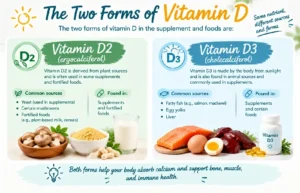
Both can raise Vitamin D levels in the blood. According to the National Institutes of Health Vitamin D3 may lift blood levels a bit than Vitamin D2.
Vitamin D is also important for the skin because skin cells take part in Vitamin D metabolism and react to Vitamin D. However this does not mean that taking Vitamin D will automatically give looking or brighter skin.
How Does Vitamin D Affect Skin Health?
Vitamin D is linked to skin biology. Research has examined its role in skin‑cell growth responses and inflammation.
It is important to separate the fact that Vitamin Ds important from the idea that Vitamin D supplements are a sure cure for every skin problem. The AAD says that evidence for Vitamin D benefits beyond known health roles is not clear so supplements should not be seen as a beauty fix.
-
Supports Normal Skin Function
Vitamin D participates in cell growth and differentiation which’re crucial for tissues. Adequate nutrition supports the maintenance and repair systems, including those that involve the skin.
This is one reason that keeping Vitamin D status can be seen as part of wellness, not a skincare approach.
-
May Be Involved in Immune and Inflammatory Processes
Vitamin D participates in regulation. Because the skin is a barrier. Contains cells researchers have examined Vitamin D in relation to inflammatory skin conditions.
However having adequate Vitamin D does not mean it will stop or cure skin diseases. Anyone with an itching, redness, acne or another skin problem should get evaluation of relying only on Vitamin D supplements.
-
Helps Support Overall Health
Healthy skin is affected by the body. Adequate nutrition, sleep, hydration, physical activity, stress management and proper skincare all help keep skin healthy.
Vitamin D is one piece of that picture. Its strongest proven nutritional role is calcium absorption and bone health not skin improvements.
Can Sunlight Give You Vitamin D?
Yes the skin can make Vitamin D when it sees UVB radiation. The amount made varies a lot between people and situations.
Factors that can affect Vitamin D production include:
- Skin pigmentation
- Age
- Geographic location
- Season
- Cloud cover and air pollution
- Clothing
- Time spent outdoors
- Sunscreen use
The NIH says that darker skin, older age, little sun exposure and other factors can reduce the amount of Vitamin D made by sunlight.
So deliberately exposing skin to the sun without protection is not a Vitamin D plan. The AAD says there is no level of UV exposure that makes Vitamin D while keeping skin cancer risk low.
Vitamin D and Sunscreen: Do You Need to Choose
No. You do not need to skip sunscreen to get Vitamin D.
Sunscreen can lower Vitamin production in exposed skin. Dermatologists still recommend sun protection because UV rays add to skin cancer and early skin aging.
The AAD recommends water‑sunscreen with SPF 30 or higher when suitable, plus shade and protective clothing.
If you worry about vitamin D levels choosing food, fortified foods and appropriate supplements is safer, than increasing UV exposure.
Best Food Sources of Vitamin D
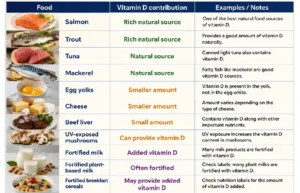
Foods can be handy since Vitamin D, which naturally occurs in foods, is not a large amount in the American diet. Always check the nutrition facts to see if the food is fortified and to see how much fortification is added since it varies by country.
Vitamin D Supplements, for Skin Health
Vitamin D supplements might be helpful if you have a deficiency of it. They aren’t needed just because you want good-looking skin.
For most healthy adults, following a balanced diet is the best way to get their recommended daily amount of Vitamin D. Vitamin D supplementation can be suggested by a doctor if the individual has a deficiency or other health condition.
You can also have a blood test to measure the level of 25-hydroxyvitamin D. How you interpret your Vitamin D level results varies for each person and situation.
Can You Take Vitamin D?
Yes. Since Vit D is fat-soluble. Excess Vitamin D intake could increase blood levels of calcium and other adverse health problems.
Symptoms of excess Vitamin D include but are not limited to nausea, vomiting, weakness, excessive thirst, excessive urination, dehydration and kidney stones. Too much Vitamin D is so toxic that it can cause kidney failure and other life-threatening conditions. Too much Vitamin D occurs from over supplementation not exposure to the sun.
For this reason, high-dose Vitamin D should not be taken on a routine basis without supervision.
Does Vitamin D Make Skin Clearer?
The solution? Be cautious of any product that makes promises of a fix-all for acne, pigmentation, dryness, wrinkles or dullness.
Invest in a quality cleanser, moisturizer and daily sun protection for dull, irritated skin. Consult your doctor if you suffer from ongoing acne, eczema-like skin concerns, regular skin redness or pigmentation and don’t fall into the trap that a vitamin deficiency is to blame.
Vitamins and minerals are, by definition, part of a complete diet and ultimately are better used through healthy food as opposed to in isolation.
Vitamin D and Different Skin Concerns
Dry Skin
Vitamin D Benefits of a good health. Vitamin D does not replace a moisturizer. Care of skin use a cleanser and moisturizer with barrier-supporting elements including ceramide, glycerin or petrolatum.
Acne Prone Skin
Research on Acne and Inflammation Vitamin D supplementation will never have to replace the remedies found to treat acne. If you are suffering from antibiotic resistant acne or in search of a more potent ingredient to get rid of a breakout, then this particular ingredient might end up being just for you!
Aging Skin
Vitamin D is not an antiaging sunscreen or an antiaging strategy to substitute for retinoids and other proven skincare ingredients. In addition to UV protection, there are other measures you can take to help minimize the effects of sun related skin aging.
Sensitive Skin
For sensitive skin, do not increase your exposure to UV light to generate Vitamin D. Focus on your skin. Get Vitamin D via dietary supplements as appropriate when recommended by your health care professional.
How to Stay Healthy and Vibrant: A Simple Solution for Vitamin D and Skin Wrinkles
A practical approach is:
- Include Vitamin D fortified foods in your diet.
- Protect yourself from the sun more than you try to get Vitamin D.
- Do not take vitamin D products without being prescribed or recommended by your doctor.
- Consult a doctor to know if you need to be tested.
- Address skin issues with skincare rather than giving the magic pill of Vitamin D.
- Stick to your routine like nutrition, sleeping, physical activity, and hydration.
FAQs
Is vitamin D good for skin?
Effects on the processes and general health, and the skin contributes to the production and metabolism of Vitamin D. There is no evidence to support the use of Vitamin D as a beauty supplement or skin remedy.
Should I get sun, for vitamin D?
No. The American Academy of Dermatology does not recommend that you seek sun exposure or indoor tanning for Vitamin D. UV exposure puts you at risk for skin cancer.
Does sunscreen prevent Vitamin D production?
Sure does.
Should you not wear sunscreen?
Of course not.
Can you get your D?
Ask your doctor about getting tested or taking a supplement.
What foods contain vitamin D?
Here are some foods that contain this vitamin: Fishgill salmon, trout, and tuna, and mackerel. Packaged plant-based beverages (e.g., soy, almond, and rice). Certain cereals. Are there any adverse effects?
“This is one of the most common skincare vs vitamin D questions asked” Make an educated choice! We’ve broken down the facts for you!
Vitamins and Skin Care. They both Play for. Nutrition is basic to your health, yet pores and skin care items can help with dryness, skin break out, staining, and so on.
Final Thoughts
Vitamin D is a vitamin with functions in the body and the skin and the health of Vitamin D is well known. Being at a vitamin D level as part of good health. Having a higher vitamin D level will not benefit the appearance of the skin.
Anything that tans or takes supplements
And are focused on foods that provide vitamin Dand supplements that are medically for willing while it does not apply pigmentary sun protector. Base of common sense to keep skin healthy skin is healthy, a healthy diet, a moisturizer, Broad Spectrum sunscreen