
 GoBeauty Bay
  Shaista Rafi
Beauty & Lifestyle Content Writer
in
Shaista Rafi writes reader-focused beauty
and lifestyle content for GoBeautyBay,
covering skincare, hair care, makeup,
personal care and everyday beauty topics.
Shaista Rafi
Beauty & Lifestyle Content Writer
in
Shaista Rafi writes reader-focused beauty
and lifestyle content for GoBeautyBay,
covering skincare, hair care, makeup,
personal care and everyday beauty topics.
 Mirza Ibrahim Ali Khan
Editorial Reviewer
in
Mirza Ibrahim Ali Khan contributes to
GoBeautyBay's editorial review process,
focusing on clarity, content structure,
topical relevance and reader usefulness.
Mirza Ibrahim Ali Khan
Editorial Reviewer
in
Mirza Ibrahim Ali Khan contributes to
GoBeautyBay's editorial review process,
focusing on clarity, content structure,
topical relevance and reader usefulness.
Strands show up some mornings – more than used to be there. That sight? It’s familiar to plenty of others, too. You’re far from the only one who’s seen that. Most folks go straight to browsing bottles – cleansers, potions, pills – chasing fast results. Rarely do they consider how daily routines shape what grows from their scalp. The truth is, things like handling stress well, getting solid sleep, taking small, consistent actions each day, avoiding too much heat when styling, and even adjusting care with the seasons – they all play roles equal to any shampoo or serum waiting by the sink.
These days, taking care of hair means more than just washing it – it’s about general well-being too. Inside health shapes outside results, say skin doctors and specialists alike. When rest slips, when tension stays high, when water intake drops, combined with hot tools or shifting weather, hair shows the signs clearly. How it appears, how it behaves, how fast it grows – all tied to daily habits and body balance.
Start here – hair tends to show shifts in how you live before most other signs appear. When pressure builds, strands loosen more than usual. After long stretches without proper rest, the texture becomes flat and rough. Yet once balanced choices stick around each day, thickness improves, luster returns, and styling feels simpler.
Most people overlook how everyday actions affect their hair. Come 2026, tiny changes might actually show real effects. Morning showers, bedtime hours – these quiet decisions build up over time. Rather than chasing instant solutions, better outcomes grow from consistent tweaks available to anyone right now. Start with sipping water, notice how tension builds, shift what you eat – stitch it quietly into days. Day by day, turning up matters more than hunting perfect ones.
Healthy lifestyle habits work best when combined with proven home remedies for hair growth that nourish the scalp and strengthen hair naturally.
This article is part of our
Home Remedies for Hair Growth Resource
Lifestyle Choices Affect Hair Health
Beneath the skin, tiny follicles never stop working. If nutrients drop off or blood flow weakens, their activity dips soon after. Quiet chemical signals shape much of what happens out of sight. Rest matters as much as what you feed them.
Ignoring daily routines can lead to typical hair issues. A shift in how you care often reveals the problems people regularly face.
- Increased shedding
- Dryness
- Slow growth
- Breakage
- Dull appearance
- Scalp irritation
These days, good hair health ties back to small choices made each morning, along with the bottles lined up by the faucet – yet it’s really lifestyle that decides if any of it sticks. Food on plates matters quietly, similar to nighttime stillness, both shaping strands without fanfare. Actions taken while brushing teeth have a deep impact on scalp outcomes later. Shelf picks hold weight equal to unseen moments like midday water sipping or window gazing before bed. Real shifts hide less in labels and more in repeated motions done out of habit, not hope.
Poor sleep, chronic stress, and nutritional deficiencies may contribute to hair loss. Explore these home remedies for hair fall to help reduce excessive shedding.
Stress Management for Healthy Hair
Heavy pressure often slips under the radar when spotting reasons for losing hair. If tension stays intense for months, it can throw off how hair normally grows.
Common Stress Triggers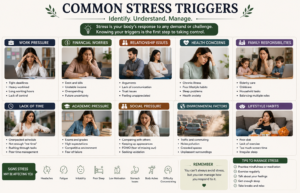
- Work pressure
- Poor sleep
- Financial concerns
- Major life changes
- Lack of relaxation
Signs Stress May Affect Hair
| Symptom | Possible Impact |
| Increased shedding | Hair growth cycle disruption |
| Scalp tension | Reduced comfort |
| Poor sleep | Slower recovery |
| Fatigue | Reduced wellness support |
Practical Stress-Reduction Habits
- Daily walking
- Meditation
- Deep breathing exercises
- Regular physical activity
- Limiting screen time before bed
Most times, tiny shifts each day lead further down the road than big fixes fast.
Many people combine better nutrition and stress management with natural remedies for hair growth to support healthier and thicker-looking hair.
Sleep and Hair Growth
These days, sleep’s role in growing hair grabs attention across health studies.
While you rest, your body works on repairs vital for strong hair roots.
Why Sleep Matters
| Benefit | Hair Impact |
| Cellular repair | Supports follicles |
| Hormone balance | Healthy growth cycle |
| Stress reduction | Reduced shedding |
| Recovery | Improved scalp health |
Recommended Sleep Goals
| Age Group | Suggested Sleep |
| Adults | 7–9 Hours |
| Older Adults | 7–8 Hours |
Better Sleep Habits
- Maintain a consistent bedtime
- Reduce caffeine late in the day
- Keep bedrooms cool and dark
- Avoid excessive screen exposure before sleep
Poor rest can quietly undo what good habits build. A nightly reset feeds more than just mood – it shapes how strands grow.
Healthy Hair Everyday Habits
Most times, good hair comes from doing small things every day instead of quick fixes now and then.
Along with healthy daily habits, targeted hair growth treatments at home can help improve scalp condition and encourage stronger hair growth.
Best Habits for Healthy Hair
-
Gentle Hair Washing
Choose products suitable for your scalp type.
-
Stay Hydrated
From head to tip, moisture keeps things running smoothly. A well-wet scalp stays balanced, thanks to regular intake.
-
Eat Balanced Meals
Built strong, hair thrives when fed protein along with key vitamins. Minerals step in to keep everything steady and working right.
-
ShieldHair Against Harm
Brushing too much can harm your hair. Harsh routines strip natural oils. Try gentler methods instead. Overdoing it leads to damage. Care less often for better results.
-
Maintain Scalp Health
Healthy skin on your head means stronger strands can grow. When the base is cared for, results show up in thickness and resilience. Good conditions underneath support what appears above. Nourished roots often lead to improved texture over time. Balance matters more than most realize.
Daily Hair Wellness Routine
| Morning | Evening |
| Gentle brushing | Scalp massage |
| Hydration | Hair protection |
| Balanced breakfast | Proper sleep routine |
Consistency matters more than complexity.
Creating a consistent wellness routine is easier when you follow practical self-care habits for healthy hair that support both scalp and overall well-being.
How Heat Styling Damages Hair
Many people use blow dryers, flat irons, and curling tools regularly without understanding how heat affects hair fibers.
How Heat Styling Damages Hair
Excessive heat can:
- Reduce moisture levels
- Increase breakage
- Cause split ends
- Weakened hair structure
- Increase frizz
Heat Tool Comparison
| Styling Tool | Potential Damage Risk |
| Flat Iron | High |
| Curling Wand | High |
| Blow Dryer | Moderate |
| Air Drying | Low |
Signs of Heat Damage
- Rough texture
- Increased breakage
- Lack of shine
- Difficulty holding styles
Protection Tips
- Use heat protectant products
- Lower temperature settings
- Avoid daily heat styling
- Allow hair to air dry when possible
Seasonal Hair Care Tips
Hair care needs often change throughout the year.
Seasonal Hair Care Tips for 2026
Summer
Challenges:
- UV exposure
- Sweat
- Humidity
Solutions:
- Wear hats outdoors
- Use UV-protective products
- Increase hydration
Winter
Challenges:
- Dry indoor heating
- Static
- Reduced humidity
Solutions:
- Use moisturizing conditioners
- Reduce hot water washing
- Add weekly hair masks
Monsoon or Rainy Season
Challenges:
- Frizz
- Scalp buildup
- Humidity
Solutions:
- Keep scalp clean
- Use lightweight products
- Avoid prolonged moisture exposure
If you’re considering supplements, oils, or shampoos as part of your routine, browse our hair growth product reviews for detailed insights.
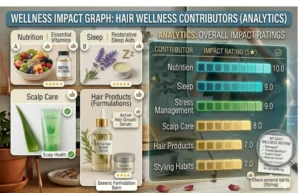
Lifestyle vs Hair Products Comparison
What Influences Hair Health Most?
| Factor | Long-Term Impact |
| Nutrition | High |
| Sleep | High |
| Stress Management | High |
| Scalp Care | Moderate |
| Hair Products | Moderate |
| Styling Habits | Moderate |
Wellness Impact Graph
Troubleshooting Common Hair Wellness Problems
Problem: Hair Still Falling Out Even With Products
Solution
Start by checking how much pressure you feel each day. Look at how well you rest through the night. What you eat plays a role, too – consider that closely. The state of your scalp gives clues others miss.
Choosing the right solution can be challenging, which is why our hair growth comparison guide helps evaluate popular remedies and products side by side.
Problem: Hair Feels Dry
Solution
Drink more water while using hot tools less often. Heat treatments slow down when fluids go up.
Problem: Scalp feels off
Solution
Start with mild shampoo – this helps skip the heavy residue. Product gunk? Skip it by rinsing well each time.
Understanding the connection between nutrition, scalp care, and overall hair wellness and scalp health can help you make better lifestyle choices.
Problem: Hair Breaks Easily
Solution
Reduce heat exposure and focus on protective hair care habits.
Frequently Asked Questions
Can stress really cause hair loss?
When stress hits, hair might fall out more than usual. Sometimes it pauses growth for a short time. Not every strand keeps growing at the same pace, then. A shift happens, quietly, beneath the surface.
Does sleep affect hair growth?
Resting well powers nighttime repair jobs tied to stronger strands. A good night’s sleep deepens renewal cycles linked to scalp balance.
How often should I use heat styling tools?
Heat styling less often could lower harm to hair. Protective items might also play a role. Fewer high temperatures mean less breakage over time. Using shields before tools turn on adds another layer of safety. Some routines skip heavy tools entirely. Others mix in pauses between sessions. Damage slows when care comes first.
Which season is hardest on hair?
Some folks handle it fine, yet cold months often pull moisture while sunny stretches push damage.
Are healthy habits more important than hair products?
What you do daily matters just as much as genetics when it comes to hair. Good routines tend to build a stronger base over time.
Final Thoughts
Most of the time, good hair isn’t born from one magic bottle. Great products might give a boost, yet they shine brightest alongside smart everyday choices. When rest stays steady, the body responds – hair included. Stress that’s kept low often shows up in stronger strands. Water matters more than people think, trickling benefits from the roots to the tips—meals built with a variety of feed follicles without fanfare. Tugging too hard or heating too much tends to undo progress slowly. Winter calls for tweaks, just like summer does. Each small habit links into something bigger over weeks.
Most recent studies into healthy hair point out something quiet but true: tiny routines add up. Sleep at a regular hour, skip hot tools when possible, move your body daily, sip water steadily, tend to your scalp as it matters – none of it screams for attention. Yet slowly, these choices shape results you can actually see.
Skipping the newest trend usually pays off more than joining it, and yet doing what fits your routine matters most when the lights stop shining. Daily actions build strong hair far better than one big move. Slow progress wins where speed fails every single time. Real growth skips shortcuts, choosing patience instead.
Out of nowhere, good results come from choosing what works – then sticking to habits that add up day after day. Over time, doing the same things keeps hair healthy without resorting to quick fixes. At first, you notice it feels firm near the scalp; later, smoothness spreads through each strand. Growth isn’t loud – it shows quietly when routine becomes normal.